
Estimated reading time: 5 minutes
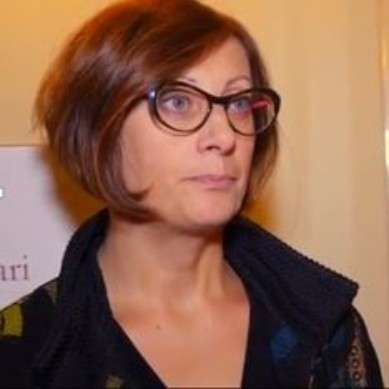
Preface: This essay by Dr. Monica Mazzucato at the Padua University Hospital in Italy, is one of ScientifyResearch’s Rare Disease Science Communication Award entries.
Rare diseases (RD) are often described as medical outliers—conditions so uncommon that they affect only a handful of people each. Yet when considered together, rare diseases are anything but rare. Millions of people worldwide live with one of over 6,000 recognized rare conditions. Despite this collective burden, rare diseases have long remained on the margins of public health discussions, particularly when it comes to one crucial issue: survival.
Our recent study from the Veneto region in Italy offers a valuable window into this topic. By analysing nearly two decades of data from a population-based rare disease registry, the study sheds light on mortality and survival patterns across a broad spectrum of rare diseases. Its findings tell a complex story—one that combines medical progress with some persistent gaps in care.
Why mortality in rare diseases is hard to measure
Understanding how long people live with rare diseases is not straightforward. Most health statistics rely on disease classification systems that historically fail to capture rare conditions in detail. As a result, many patients with rare diseases effectively disappear from mortality data, even when their condition plays a major role in their death.
The study overcomes this problem by using a dedicated RD registry linked to administrative population data. This means that every registered patient can be followed over time, regardless of where they receive care or where death occurs. Covering the period from 2002 to 2019 and a population of nearly five million people, the study provides a robust, real-world picture of what living—and dying—with a rare disease actually looks like.
A higher risk of death overall
One of the study’s clearest findings is that people with rare diseases have a significantly higher risk of death than the general population. After adjusting for age, mortality among rare disease patients is nearly twice as high as expected.
This does not mean that all rare diseases are fatal or even life-shortening. But taken as a group, rare diseases carry a heavier mortality burden, reflecting their complexity, chronic nature, and often limited treatment options.
Importantly, this excess risk persists even in a high-income setting with universal healthcare.
An unexpected gender gap
One particularly striking result concerns gender differences. Compared with the general population, women with rare diseases show a greater relative increase in mortality risk than men. This is notable because women, on average, live longer than men in the general population.
The finding raises important questions. Are rare diseases diagnosed later in women? Do symptoms get overlooked or misattributed? Are there biological differences in disease progression, or inequalities in access to care and treatment? The study cannot answer these questions directly, but it highlights the need for further research into how gender shapes the rare disease experience.
Age matters—but differently
As expected, mortality increases with age. Older patients with rare diseases face higher death rates, reflecting both disease progression and the accumulation of other health problems. However, the study also highlights two particularly vulnerable life stages: early childhood and old age.
In young children, especially those under five years old, rare diseases contribute disproportionately to mortality. Many rare conditions are genetic or congenital, and some present very early in life with severe consequences. In older adults, rare diseases can amplify frailty, disability, and the impact of age-related conditions.
Overall, people with rare diseases tend to die earlier than the general population, not only at advanced ages but also during life stages typically associated with low mortality risk.
Survival depends strongly on disease type
One of the most important insights from the study is that survival varies depending on the type of rare disease. Grouping diseases by medical category using ORPHAcodes, a RD-specific coding system, reveals stark differences.
Rare neurological diseases stand out as the most severe in terms of survival. After 15 years, only about half of these patients are still alive. Within this group, motor neuron diseases such as amyotrophic lateral sclerosis (ALS) and spinal muscular atrophy (SMA) still show poor outcomes.
Rare skin diseases and rare systemic or rheumatologic diseases also show reduced long-term survival. By contrast, some other categories—such as chromosomal anomalies or certain metabolic disorders—show better survival overall, though outcomes may vary widely between individuals.
Progress has been made—but unevenly
The past two decades have seen major advances in rare disease care. Genetic testing has transformed diagnosis, newborn screening has expanded, and innovative therapies have emerged for conditions once considered untreatable.
New treatments for spinal muscular atrophy have dramatically improved outcomes for some children, especially when diagnosed early. However, these therapies are relatively recent, and their full impact is not yet visible in long-term population data.
Why these findings matter
This study goes beyond describing mortality statistics. Our aim is to make rare diseases visible as a collective public health issue. By showing that rare disease patients, as a group, face higher mortality and reduced survival, it strengthens the case for targeted policies, sustained research funding, and better integration of rare diseases into health systems.
Reliable data are essential for identifying which patient groups are most vulnerable, where healthcare gaps exist, and which interventions truly make a difference. Population-based registries, like the one used in Veneto, combined with the use of specific coding systems as ORPHAcodes, are powerful tools for turning individual diagnoses into actionable knowledge.
Looking ahead
The study’s message is clear: rare diseases are diverse, complex, and often severe. While medical progress has improved outcomes for some patients, many still face shortened lives and limited treatment options. Making rare diseases visible—in data, in policy, and in public awareness—is a necessary step toward changing this reality. Studies like this remind us that behind every statistic is a person navigating uncertainty.
Understanding survival in rare diseases is not just about numbers. It is about recognizing vulnerability, guiding healthcare priorities, and ultimately ensuring that rarity does not mean neglect.